Transform Your Dog into a Calm, Confident Companion. Book a Free Evaluation

From Reactive Rescue Dog to a Calm Everyday Companion
Our approach from evaluation to results and lasting change.
35+ years



The Challenge
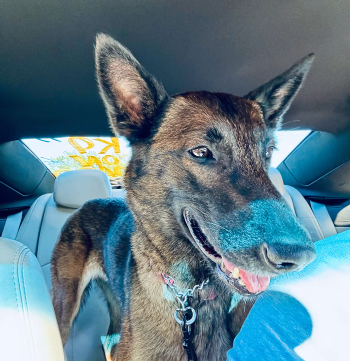
When Ellen rescued her dog, life quickly became stressful.
Her dog was highly reactive in situations that made everyday life difficult. Car rides triggered constant barking. Walks were frustrating because she could not reliably control her dog on leash. Encounters with other dogs or people often created tension and unpredictability.
For someone whose dog is meant to be part of daily life, those issues created real concern.
Ellen regularly spends time with family, watches her grandchildren, travels, and enjoys having her dog alongside her. The reality she was facing made that feel uncertain. She worried that her dog’s reactivity would make normal outings difficult or even impossible.
There was also emotional hesitation because this was not Ellen’s first experience trying to train dogs.
She had owned multiple dogs in the past and had gone through training before, but the results did not last. In one previous experience, the training eventually fell apart, leaving her uncertain whether professional training would truly create meaningful long-term change this time.
She was not simply looking for obedience commands.
She needed a sustainable solution that would help her build real control, trust, and confidence with her dog.
Seeing your dog in this case study? Let’s design your path forward.
The Approach
Absolute Canine introduced Ellen to a completely different way of thinking about training.
Rather than focusing on surface-level obedience or quick corrections, they started with engagement and relationship-building.
The process centered around teaching Ellen how to become the focal point for her dog’s attention, motivation, and trust. She learned how to use structured food-based engagement, consistent communication, and daily practice to create a working relationship where her dog genuinely wanted to pay attention and respond.
This was not passive training.
Amanda and Sean taught Ellen exactly how to handle the mechanics of training, from how to prepare food correctly for engagement work to how to use equipment properly and how to reinforce behaviors consistently.
The process was intentionally educational.
Each session built on previous progress, with Ellen practicing between appointments and returning to demonstrate what had improved so the next level of work could be introduced.
That progression created momentum quickly.
What stood out to Ellen was that the methodology felt both ethical and effective. Instead of trying to overpower the dog, the training created clarity, structure, and trust.
As her confidence grew, training expanded beyond basic obedience into more advanced work, including off-leash reliability and recall training.
The Results
The difference in Ellen’s day-to-day life has been dramatic.
Her once-reactive rescue dog became a calm, dependable companion who can comfortably be part of nearly every aspect of her life.
Car rides that once involved excessive barking became manageable. Walks became enjoyable rather than stressful. Visits with family, grandchildren, and public outings became realistic and comfortable.
One of Ellen’s most memorable experiences was taking her dog to the Wildwood boardwalk during peak summer season, surrounded by crowds, distractions, dogs, children, and constant activity.
Instead of chaos, her dog remained calmly in heel position, focused entirely on Ellen.
That kind of transformation completely changed Ellen’s confidence.
She now takes her dog everywhere with her, including family visits, daily walks, vacations, and normal outings without the constant fear of losing control.
For Ellen, this was not simply obedience training.
It fundamentally changed her relationship with her dog and allowed her to enjoy life with her in a way that previously felt impossible.
Ready for your own success story?
Table of Contents
Profile card
Other Client Success Stories



Our Visible Results, Backed by Experience
35+ years
Serving Bucks County and surrounding areas since 1996.
1-3 sessions
50 dogs
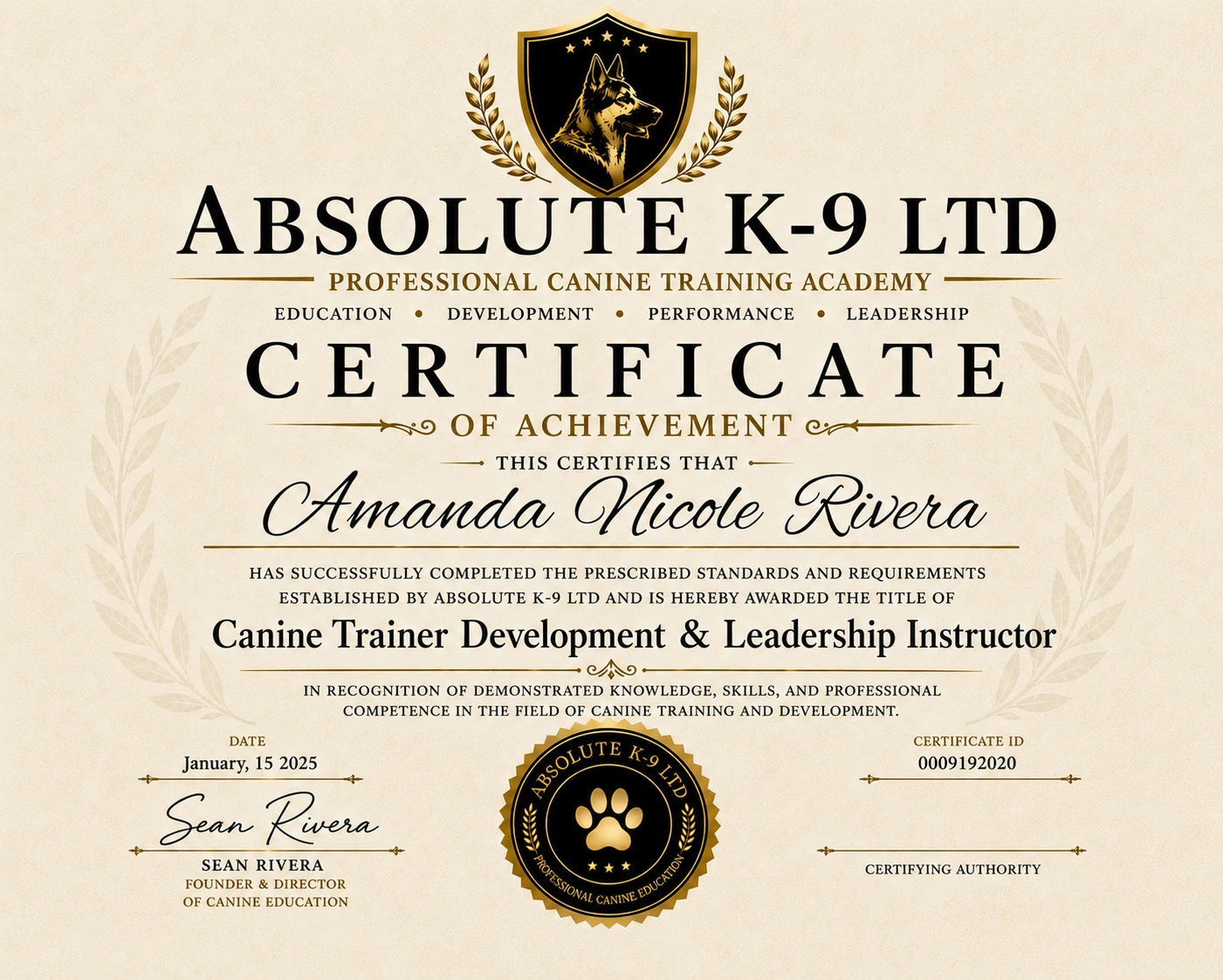
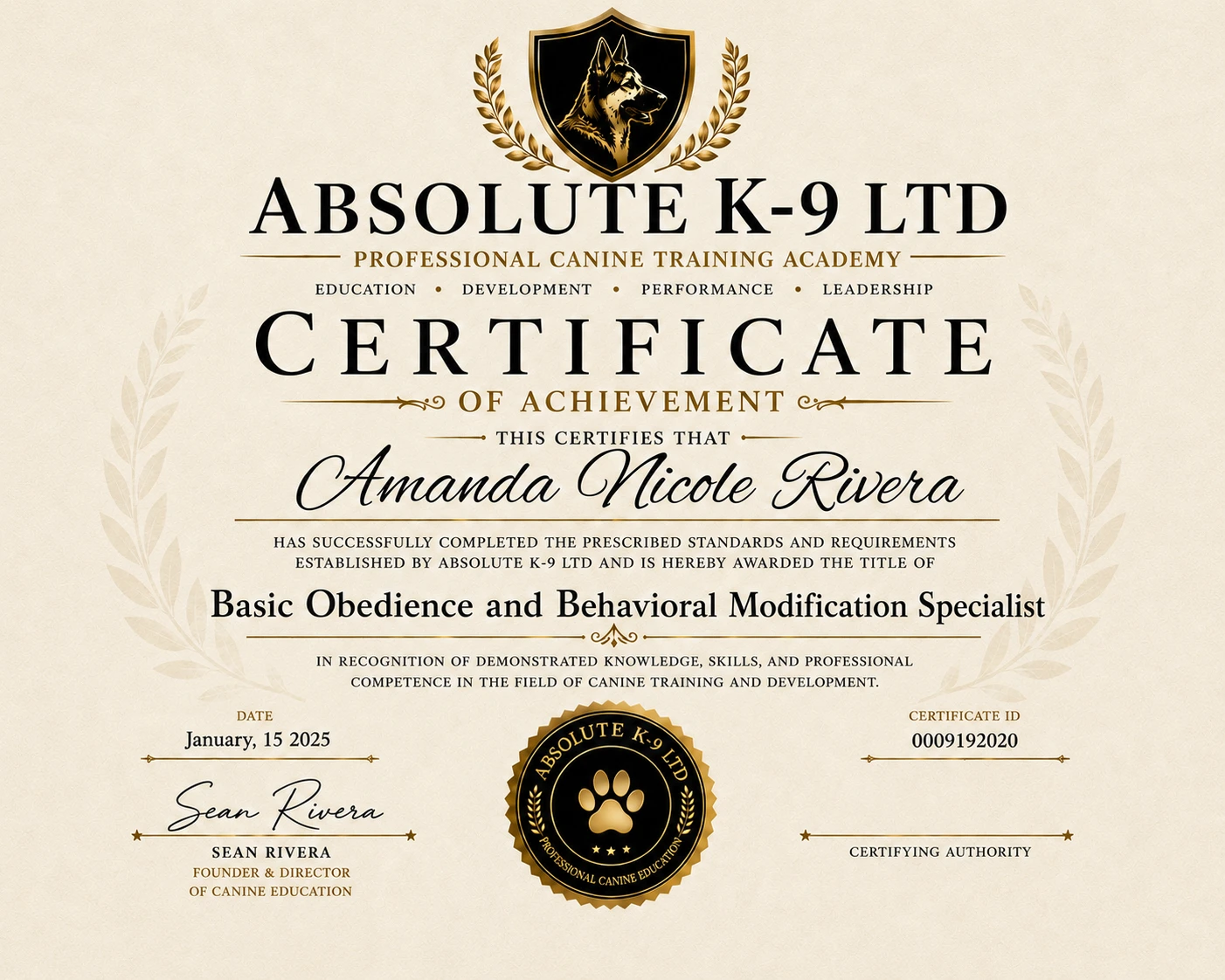
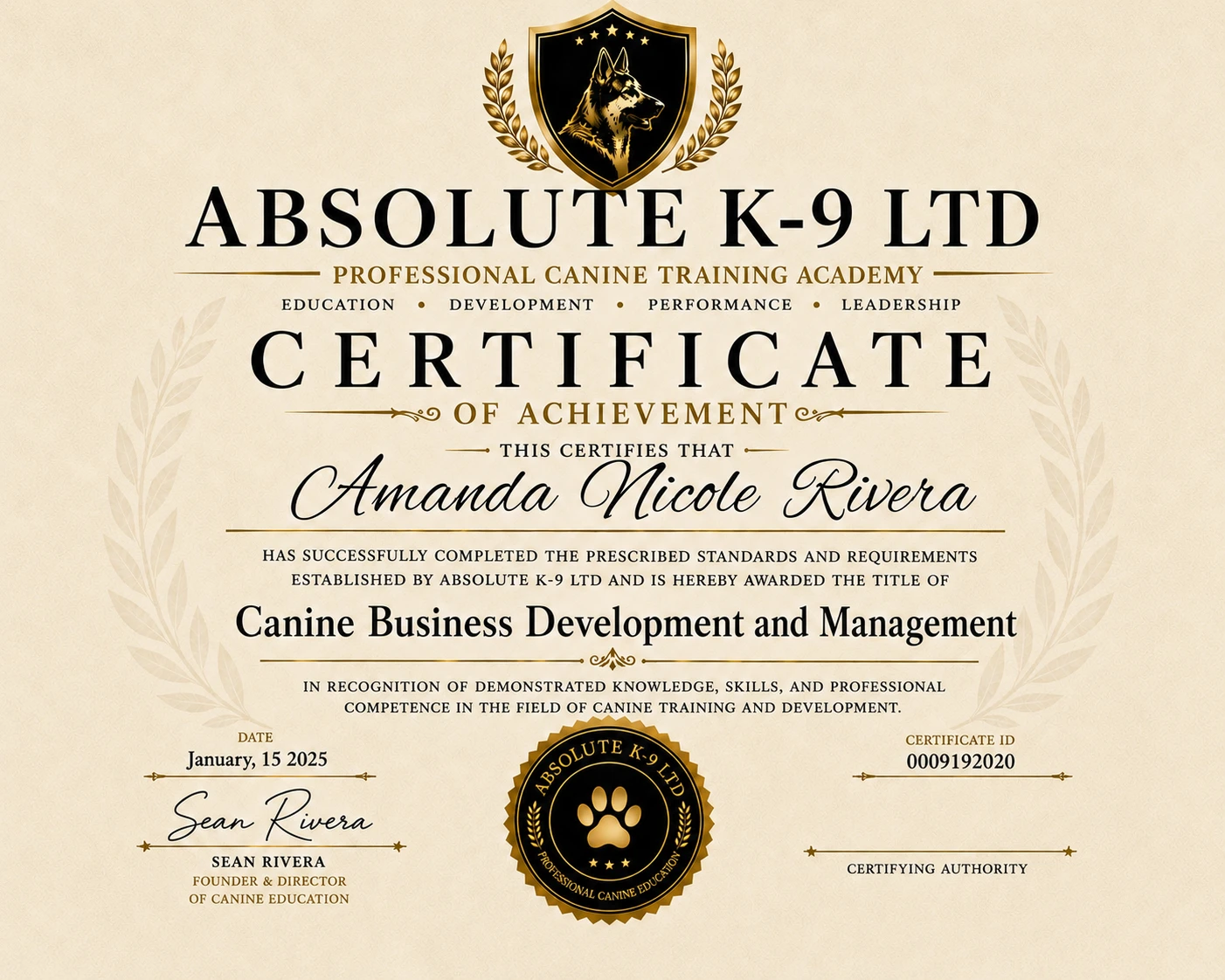
Professional Standards
You Can Trust
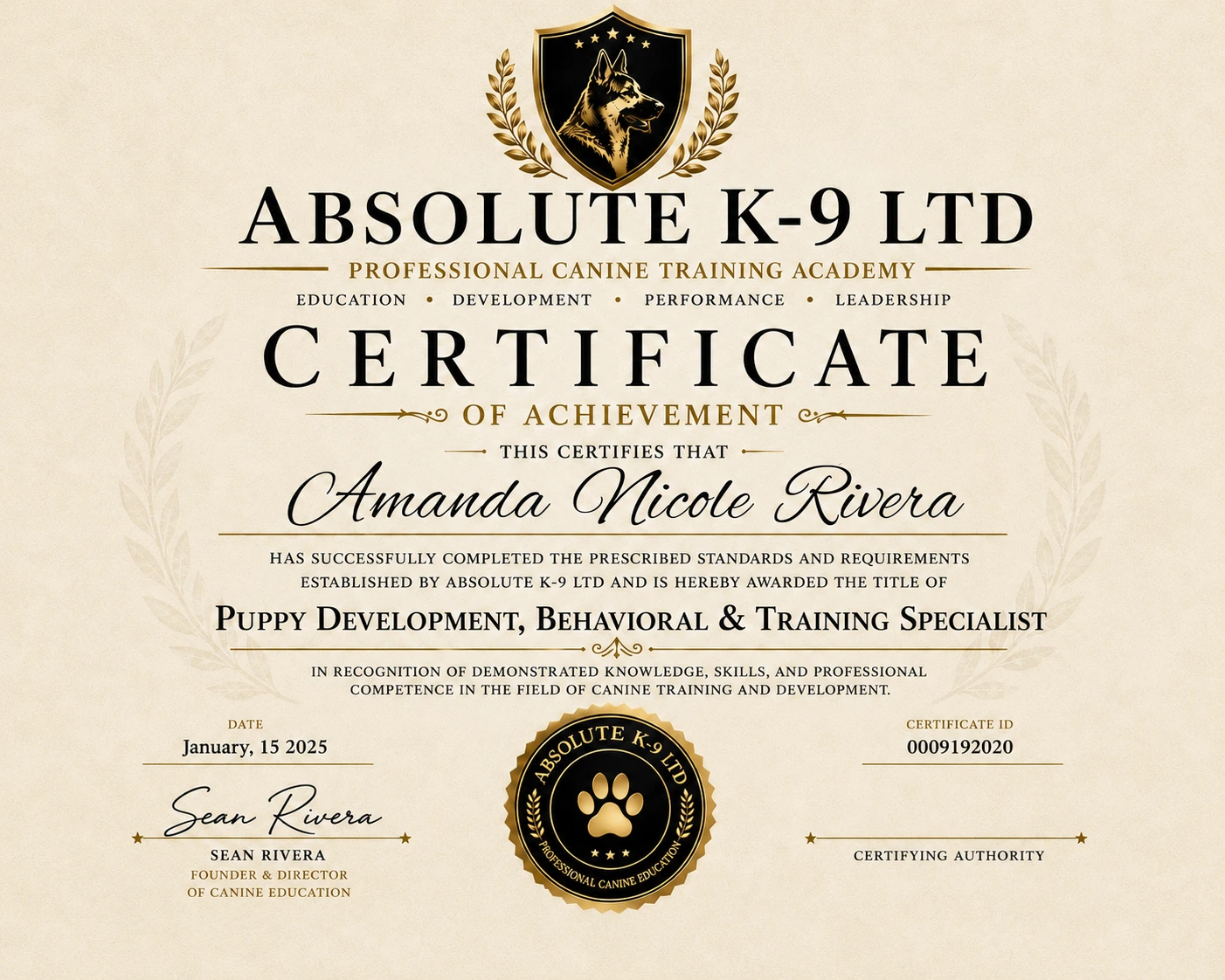
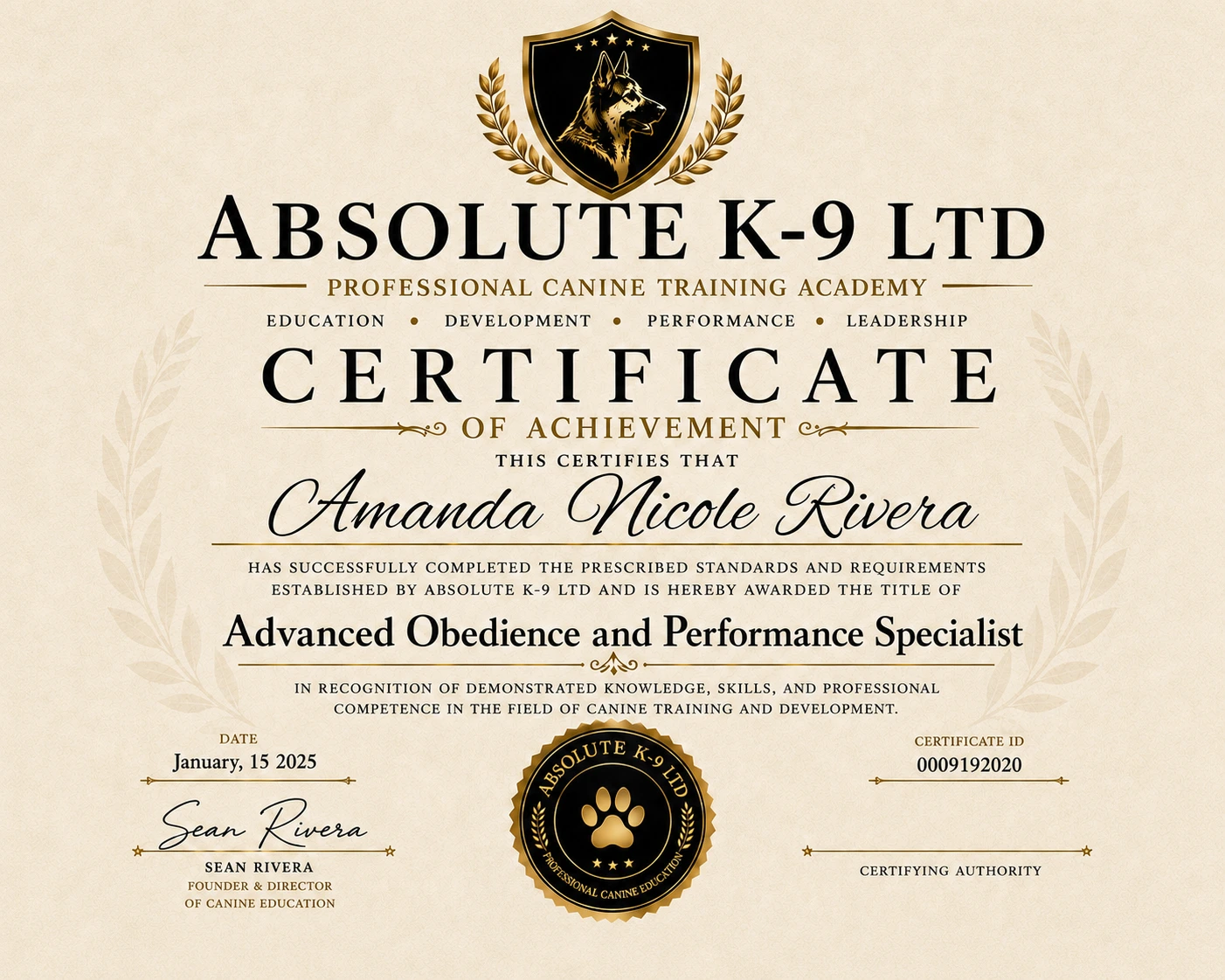


See Why Dog Owners Trust Us


Ready to Begin Your Dog’s Training Journey?

Before You Book: Key Questions Answered
Have a different question?
-
What happens in the free evaluation?
We meet your dog, discuss goals/challenges, assess fit, and recommend the right program with clear next steps and timeline. -
What training approach do you use?
Balanced, humane, operant-based training with a clear marker system—rewarding what we want and fairly interrupting what we don’t. -
Do you use tools like prong or e-collars?
Only when appropriate for the dog and goals, and always with owner consent and coaching. Tools are introduced thoughtfully and phased as skills grow. -
Do you work with reactivity or aggression?
Yes—case by case. We start with safety and management, set realistic milestones, and progress as your dog is ready. -
Will my dog forget me during a board & train?
No. Your bond isn’t replaced. We include owner transfer sessions and a maintenance plan so behaviors stick at home. -
What skills do you teach?
Engagement, heel/loose-leash, sit/down/stay, place, recall, calm greetings, and household manners; advanced tracks add off-leash reliability. -
How do you choose between private lessons, day school, and board & train?
After the evaluation we match your goals, schedule, and your dog’s temperament to the program that delivers reliable results fastest. -
When can we start training (puppies/adults)?
Puppies can begin foundations as soon as they’re home and cleared by your vet; adult dogs can start anytime after evaluation. -
What’s included after training?
Owner transfer coaching, a written maintenance plan, and access to follow-up support or refreshers as needed. -
How is pricing handled?
We share pricing after the evaluation along with a tailored plan—no surprise add-ons. We’ll outline deposits, schedule, and next steps in writing.