Transform Your Dog into a Calm, Confident Companion. Book a Free Evaluation

From Reactive Rescue Dog to Safe, Controlled Walks
Our approach from evaluation to results and lasting change.
35+ years



The Challenge
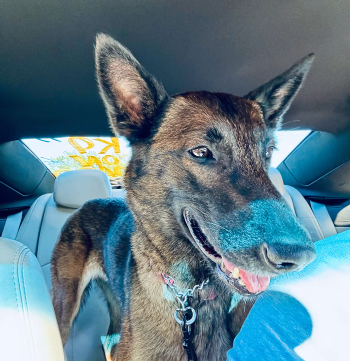
When Brian adopted Zorro, he knew he had a strong dog. What became clear very quickly, though, was just how difficult that strength could become without the right structure and training.
Zorro was an adult rescue dog weighing over 80 pounds, with a strong prey drive and intense reactivity to movement. Deer, feral cats, and other distractions would instantly trigger lunging behavior. Walks became stressful and, at times, physically dangerous.
This wasn’t just an inconvenience. Brian described situations where Zorro lunged so hard that he injured Brian’s shoulder, caused similar injuries for Brian’s son, and even pulled Brian’s wife off her feet when reacting to a cat. Something as simple as rounding a corner at night and unexpectedly seeing deer could turn into a dangerous moment in seconds.
Brian had already tried dog training before. He worked with another trainer, including police canine trainers, but the experience followed a more traditional “drop your dog off and pick him up later” model. While some obedience work happened, Brian never felt like he truly understood how to handle the dog himself. The deeper behavioral understanding simply wasn’t there.
The real challenge wasn’t just getting Zorro to behave better. It was creating lasting change while giving Brian the tools to confidently manage a large, reactive dog in real-world situations.
Seeing your dog in this case study? Let’s design your path forward.
The Approach
Absolute Canine took a completely different approach from Brian’s prior experience.
Instead of simply training the dog and handing back a finished product, Sean actively trained Brian alongside Zorro. From the beginning, the focus wasn’t just obedience commands. It was understanding canine behavior, timing, consistency, communication, and the reasoning behind every correction.
Brian wasn’t treated like an observer. He became part of the process.
Sean explained not just what to do, but why it mattered. That included helping Brian understand how dogs interpret space, positioning, repetition, and leadership. Even seemingly small adjustments, like how hand placement affects a dog’s response or why switching sides during heeling creates an entirely new learning experience for the dog, became part of the education.
This created something much more sustainable than basic obedience training. Brian wasn’t relying on someone else to “fix” his dog. He was learning how to communicate effectively with Zorro himself.
Training also remained flexible and ongoing. Sessions adapted to Brian’s schedule, eventually shifting locations to make the commitment easier while maintaining consistency.
The Results
The transformation happened quickly, but the deeper success came through consistency.
Within just a few sessions, Brian began seeing meaningful changes. Zorro’s constant pulling started to decrease. His intense reactivity toward deer and other distractions became far more manageable.
Over time, the difference became dramatic.
Walks that had once caused stress, injuries, and anxiety became calm and controlled. Zorro could remain composed around distractions that previously would have triggered immediate lunging behavior. Brian and his family no longer had to worry about being physically overpowered during normal walks.
Perhaps most importantly, Brian gained confidence—not because someone “trained his dog,” but because he now understood how to lead, correct, and communicate with Zorro effectively.
What had started as a frustrating and physically risky situation became an ongoing success story built on knowledge, structure, and trust.
Ready for your own success story?
Table of Contents
Profile card
Other Client Success Stories


Our Visible Results, Backed by Experience
35+ years
Serving Bucks County and surrounding areas since 1996.
1-3 sessions
50 dogs
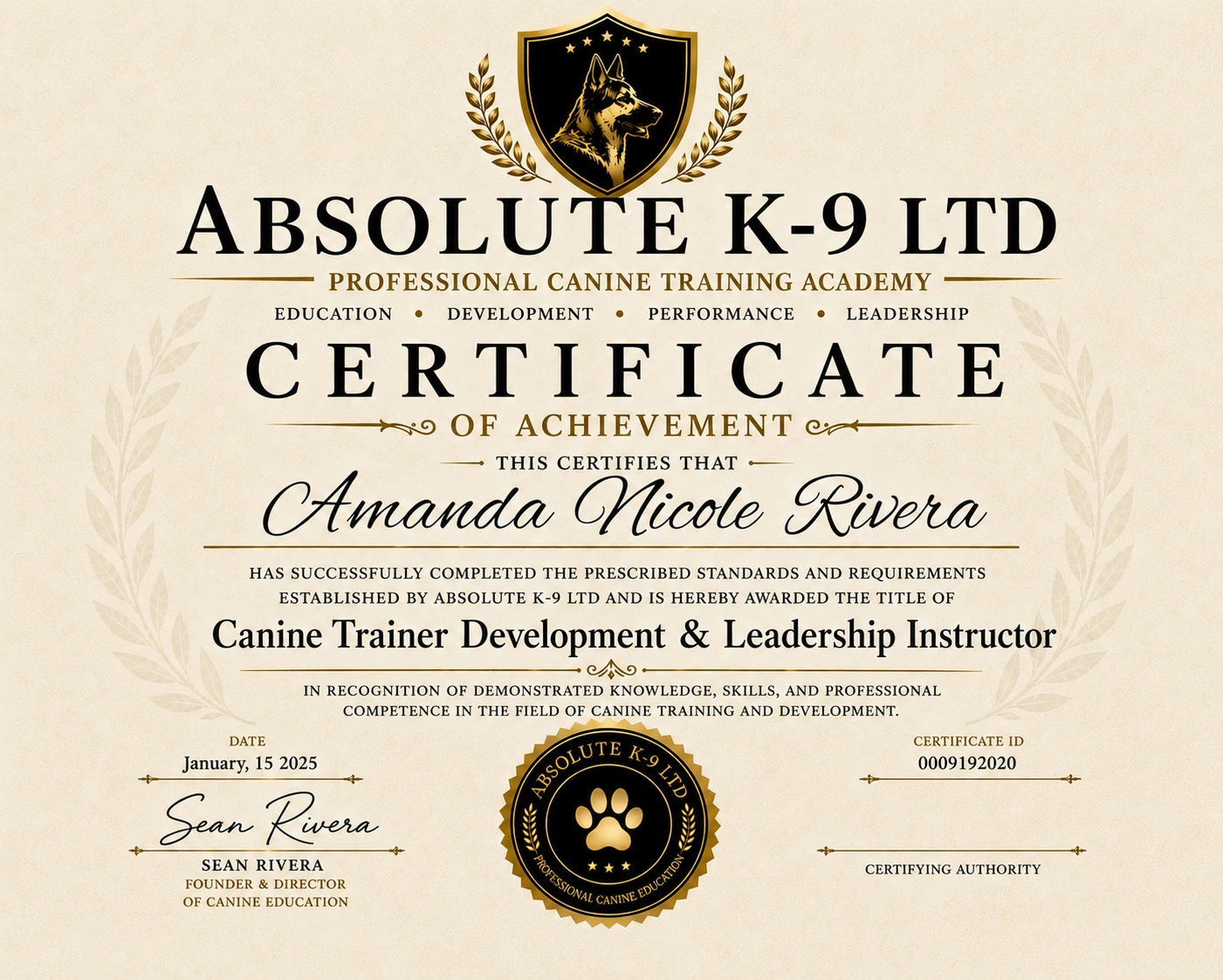
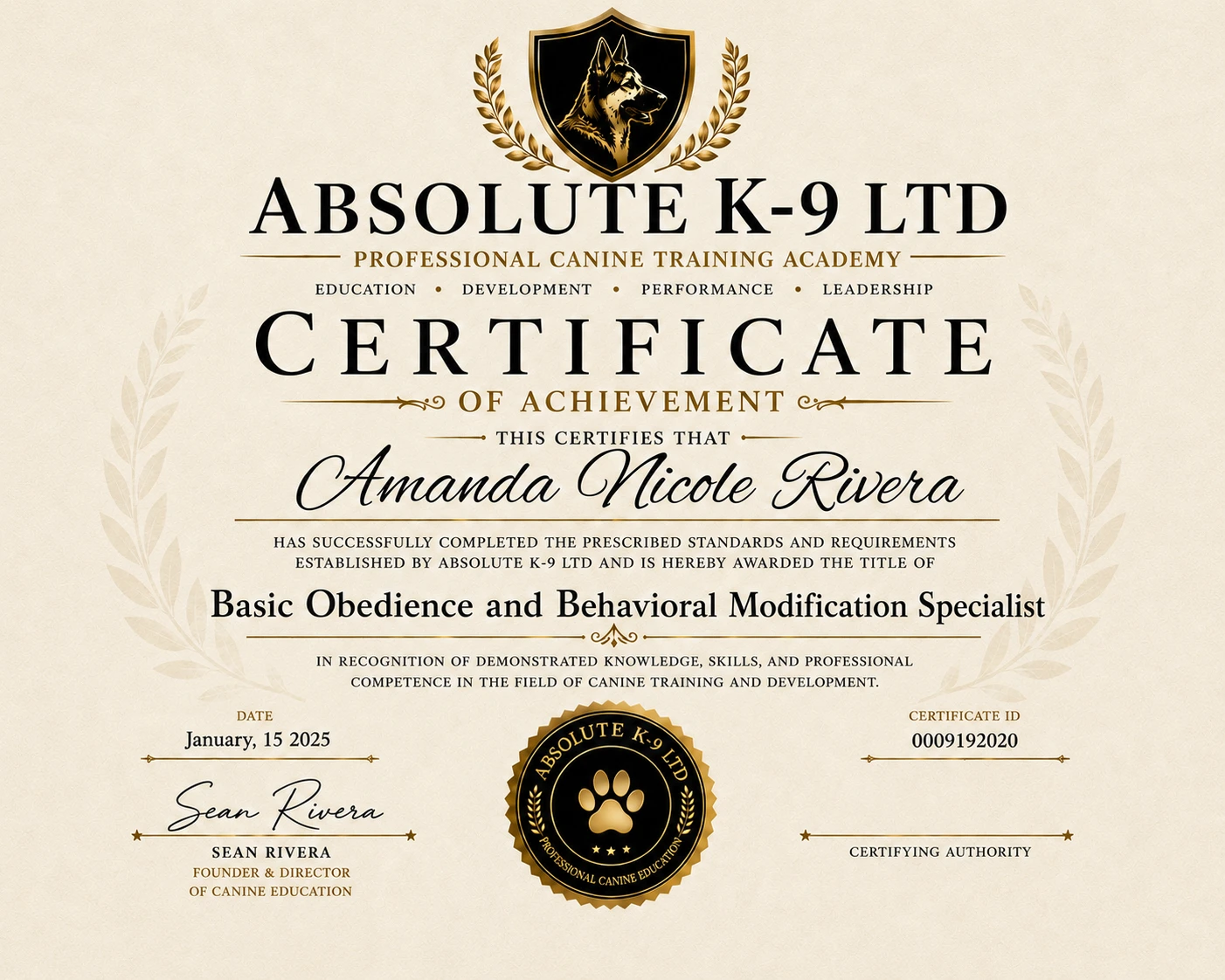
Professional Standards
You Can Trust

See Why Dog Owners Trust Us


Ready to Begin Your Dog’s Training Journey?
Before You Book: Key Questions Answered
Have a different question?
-
What happens in the free evaluation?
We meet your dog, discuss goals/challenges, assess fit, and recommend the right program with clear next steps and timeline. -
What training approach do you use?
Balanced, humane, operant-based training with a clear marker system—rewarding what we want and fairly interrupting what we don’t. -
Do you use tools like prong or e-collars?
Only when appropriate for the dog and goals, and always with owner consent and coaching. Tools are introduced thoughtfully and phased as skills grow. -
Do you work with reactivity or aggression?
Yes—case by case. We start with safety and management, set realistic milestones, and progress as your dog is ready. -
Will my dog forget me during a board & train?
No. Your bond isn’t replaced. We include owner transfer sessions and a maintenance plan so behaviors stick at home. -
What skills do you teach?
Engagement, heel/loose-leash, sit/down/stay, place, recall, calm greetings, and household manners; advanced tracks add off-leash reliability. -
How do you choose between private lessons, day school, and board & train?
After the evaluation we match your goals, schedule, and your dog’s temperament to the program that delivers reliable results fastest. -
When can we start training (puppies/adults)?
Puppies can begin foundations as soon as they’re home and cleared by your vet; adult dogs can start anytime after evaluation. -
What’s included after training?
Owner transfer coaching, a written maintenance plan, and access to follow-up support or refreshers as needed. -
How is pricing handled?
We share pricing after the evaluation along with a tailored plan—no surprise add-ons. We’ll outline deposits, schedule, and next steps in writing.